
VOL 26 ISSUE 16, April 21, 2025
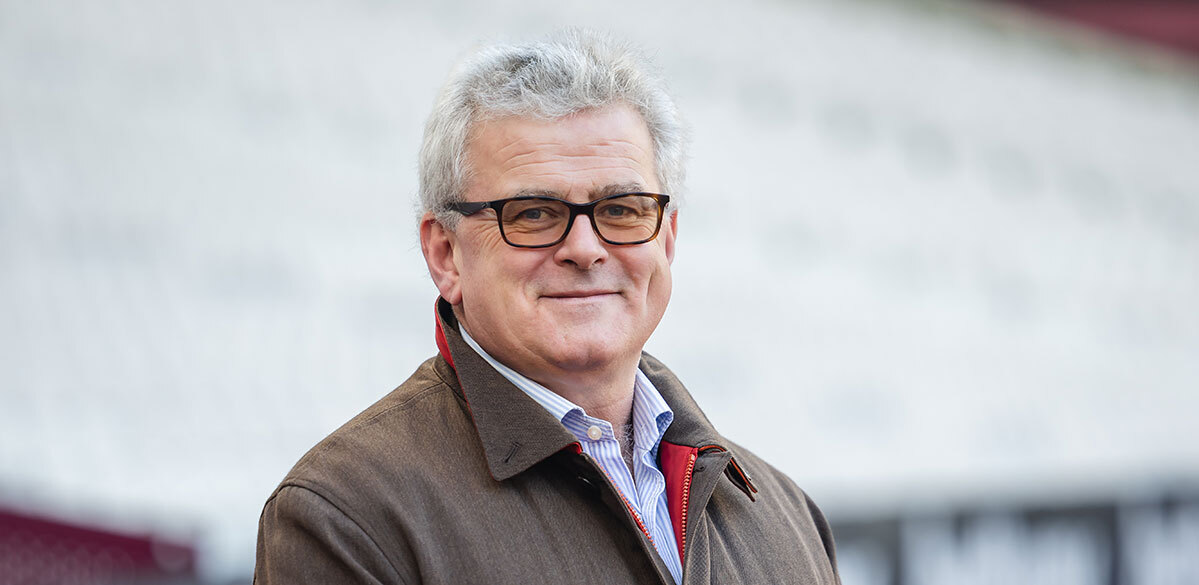
Main caption: Managing Director of Delaware North U.K. Doug Tetley was interviewed by The Caterer about innovation and creating exceptional guest experiences at major stadiums in the United Kingdom.
Doug Tetley, managing director of Delaware North U.K., has been at the helm of the company’s operations in the United Kingdom since 2014. In a recent interview with The Caterer, a prominent industry publication in the U.K., Tetley discusses the company’s four major stadia operations and goals for future growth.
Excerpts from the interview are below.
Stadium contracts tend to be extremely long – is that a reflection of the investment required to mobilize them?
It’s partly that, but it’s also a reflection of the market at that point in time. I did the deal at the London Stadium in 2014 and 2015, and that was a 25-year arrangement. It wasn’t all predicated on capital, but rather our ability to run multi-activity detail in a large venue. We run all meetings and events, all match-day and non-match-day tours, and help with content from the U.K., including the likes of the Major League Baseball International series. It’s a sweet spot for us, as we have relationships with Major League Baseball franchises in America where we run hospitality at their ballparks and we can bring that experience to the U.K.
Do you try to bring a bit of the U.S. know-how to other stadiums?
We’ve been lucky enough to host American football at Wembley, and we have the Jacksonville Jaguars every year – that’s a sellout. The fans are obviously focused on the football on the pitch, but there’s also the food and drinks that go with it. We’re talking big revenues on a single day for an NFL game. People can drink in their seats, so it’s beer as well as all of the other items we sell, such as cocktails and hot dogs and burgers that are significantly bigger than those we typically serve in the U.K.
How is F&B provision changing in stadia overall?
The old adage is America does general admission F&B better than we do, but that’s all part of the pre-match culture. What we see over here is some of that quality and variety along with an excellent standard of hospitality. In the U.K., we’re more focused on trying to deliver that full restaurant experience but in a sports venue.
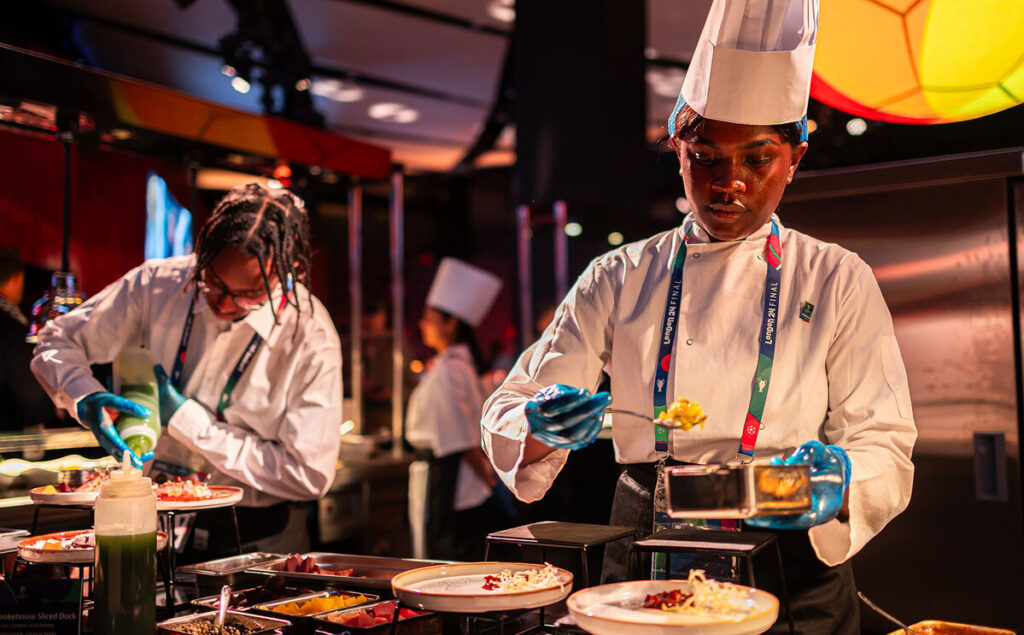
We’re lucky enough to work with people such as chefs Raymond Blanc, Tommy Banks and Tom Shepherd. Being able to transfer that knowledge into a sports environment is important, as it gives consumers a perception of the quality you are delivering – and they will be present on match days and getting people involved in the experience they’re curating.
At Wembley, we’ve gone from five levels of hospitality to 12 today. That tiering [from a basic food offer to private boxes, for example] is the future – finding different ways to create experiences that different people will buy into.
Concerts and one-off events bring a different audience to your venues. How do you devise the F&B to suit?
What we do well is curate the F&B to the audience. Last summer, we spent a lot of time making the F&B as personal to Taylor Swift as we could, and because we’re a global business, she had already been to the Melbourne Cricket Ground in Australia and MetLife Stadium in New Jersey, so we had an understanding of the sales data and were able swing the F&B provision to her song book. The best-selling food item was chicken tenders with a ranch dressing – something she had demonstrated on social media. However, the greaseproof paper with friendship bracelets printed on it proved almost more popular than the chicken.

Is technology playing a more important part in the stadia experience today too?
We were lucky enough to be the first national stadium in Europe to bring in frictionless technology [which means payment is automated so that guests can walk out without standing in a queue to pay]. At Wembley, that can double typical revenue during a concert evening, just down to the speed of service and ease of access to product. It works in concerts but in football it is yet to be understood by the audience, so getting adoption is more challenging. But we believe it will gain traction and plan to expand frictionless service with technologies such as Amazon Just Walk out across other stadia.
Where are you looking for growth?
It will definitely be in stadia. There are a couple of things on the anvil, so to speak, and we will diversify into other markets with the right opportunities. We’re now looking at how we might get into that cultural visitor attraction market, which was central to Searcys but does need a bit of reinvention. We have similar businesses in the U.S. that do that very well, so that’s an avenue we’re looking at, too.
The key driver of our growth has been more content. Some 10 years ago Wembley would have had maybe eight nights of concert activity during summer – in 2025, we will do 22 nights.