
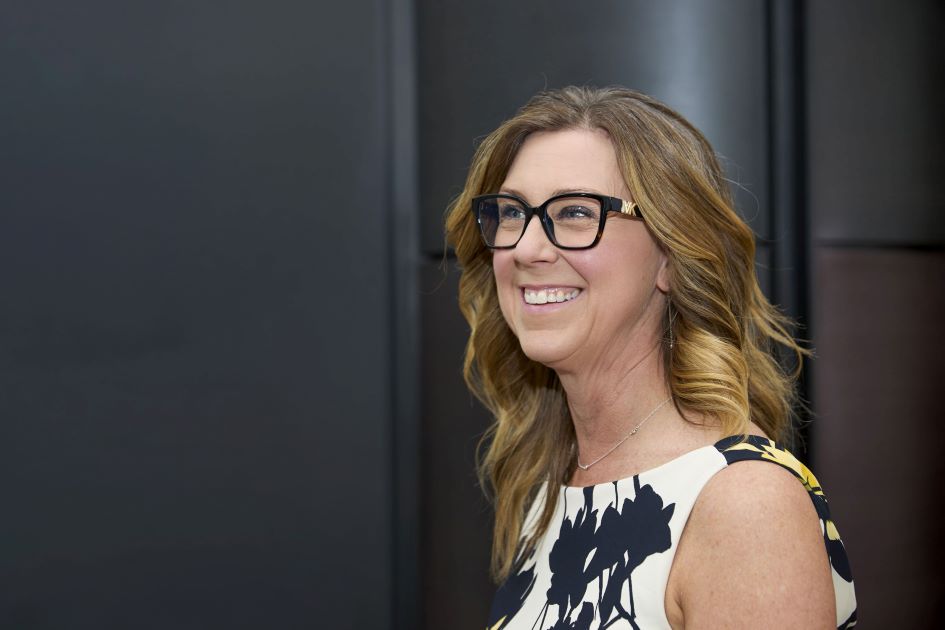
Debbie Friedel, senior corporate director of sustainability for Delaware North, was recognized by New York Moves Magazine as one of the recipients of the 2026 DuMonde Sustainability Award.
The award recipients include notable leaders from various industries, recognizing the role individual leaders and their organizations play in protecting our future by actively promoting sustainability.
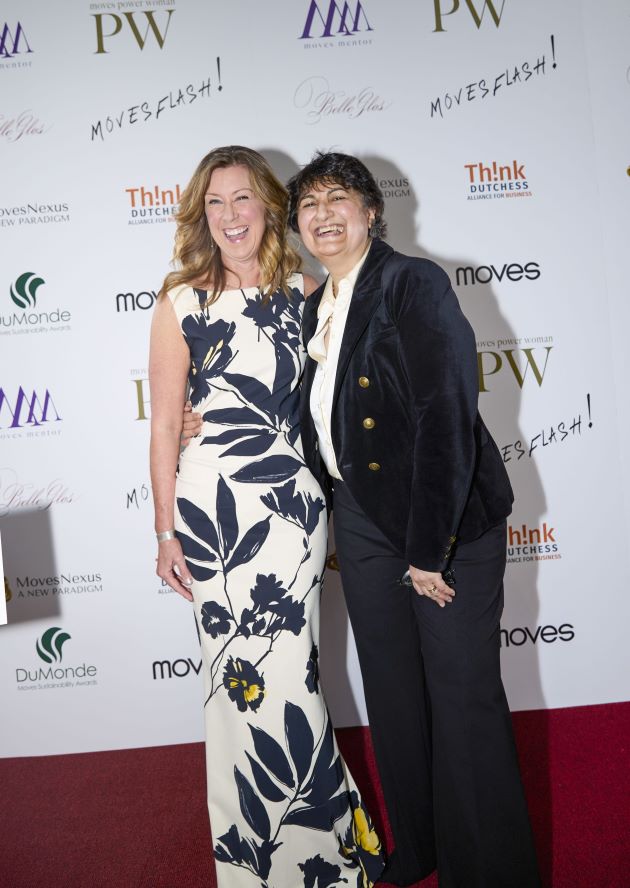
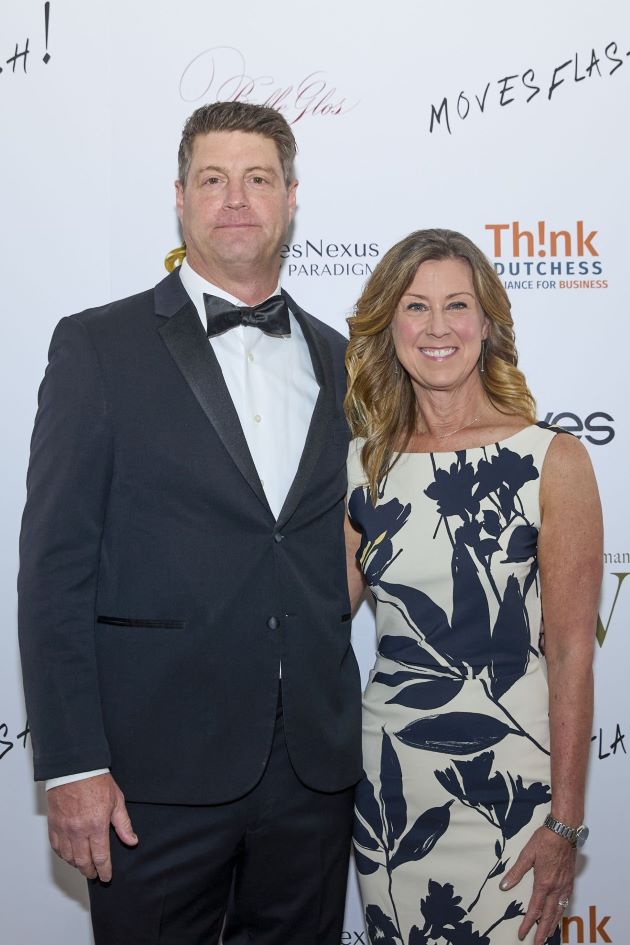
Debbie Friedel, senior corporate director of sustainability was recognized by New York Moves Magazine at a gala event held in New York City. Friedel is pictured above at the event with (at left) Moonah Ellison of New York Moves Magazine and (at right) Chris Friedel, her husband.
New York Moves Magazine highlighted Friedel in its Spring 2026 issue and at a gala event, held last month in New York City. Excerpts from the article are included below:
For Debbie Friedel – whose career spans biology, environmental science and corporate sustainability leadership – the journey didn’t start with a title. It started with a lifestyle.
Growing up in rural Wisconsin, sustainability wasn’t concept, it was simply how life worked. Food was grown, not purchased. Time was spent outdoors, not curated through screens. Resources were respected because they were finite, even if no one used that language at the time.
At Delaware North, a hospitality and entertainment company operating across more than 200 locations, Debbie found what she describes as her “dream role.” It combined environmental management, education and real-world implementation – on a scale that demanded both precision and flexibility.
But sustainability at this level isn’t theoretical. It’s operational. It means building recycling programs from scratch. Training hundreds of seasonal employees. Embedding environmental practices into everything from foodservice to lodging to retail. And perhaps most importantly it means bringing people along.
“Sustainability can’t sit on the sidelines,” she explains. “It has to be part of everything we do.”
Campaigns like “Skip the Straw” or “Greener Stay” aren’t just about reducing waste – they’re about creating entry points. Small, tangible actions that allow people to participate without feeling overwhelmed.